StructEval Logo StructEval

Benchmarking LLMs' Capabilities to Generate Structural Outputs

2,035 examples18 formats44 task types
Authors & affiliations

Jialin Yang*†, Dongfu Jiang*†, Lipeng He, Sherman Siu, Yuxuan Zhang6, Disen Liao, Zhuofeng Li3, Huaye Zeng, Yiming Jia1, Haozhe Wang2, Benjamin Schneider, Chi Ruan4, Wentao Ma, Zhiheng Lyu, Yifei Wang, Yi Lu1, Quy Duc Do, Ziyan Jiang, Ping Nie, Wenhu Chen5†

University of Waterloo 1 University of Toronto 2 HKUST
3 Shanghai University 4 Independent Contributor 5 Vector Institute 6 University of British Columbia
*Equal Contribution

The benchmark, measured

Model leaderboard.

Snapshot Download results

Compare structured output quality across models. Explore scores by release date or model size, with the latest completed result for each model.

Performance explorer

Score vs. release date

Open SourceClosed SourceHover, tap, or focus a point

StructEval model scores
#Model T · GenT · Conv V · GenV · Conv Results
Loading results…

All models share one overall ranking; filtering preserves their overall ranks. Green rows indicate Open Source; blue rows indicate Closed Source, based on model weight availability. Scores are percentages (higher is better). T = text-only; V = visually renderable; Gen = generation; Conv = conversion. Parameters are total model parameters, with active MoE parameters shown separately. Undisclosed sizes are omitted from the size chart.

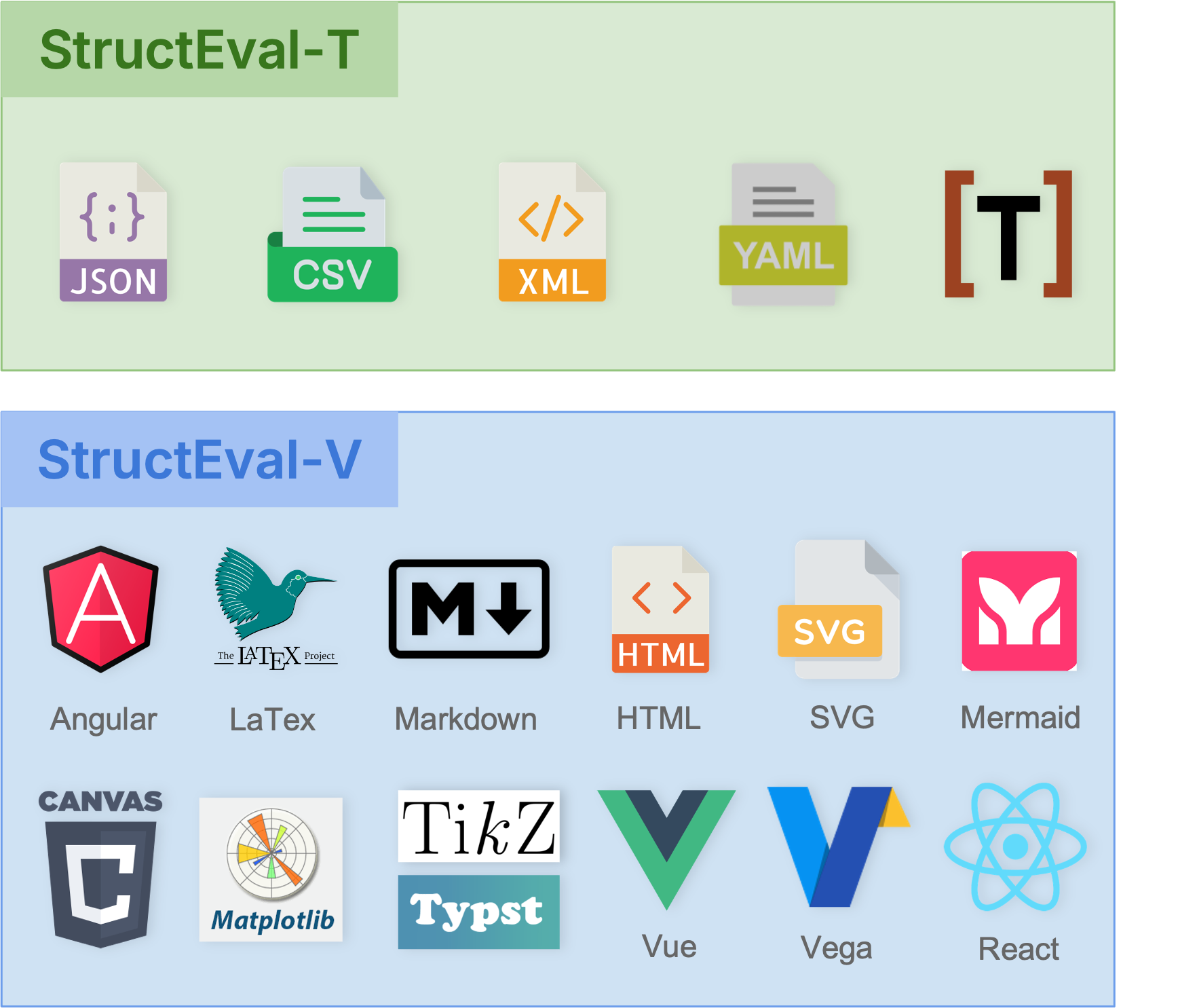
StructEval-T covers text formats such as JSON, CSV, XML, YAML and TOML; StructEval-V covers renderable formats such as HTML, SVG, charts and diagrams.
View full-size figure ↗

StructEval-T evaluates text-only structures such as JSON and TOML. StructEval-V evaluates visually rendered outputs such as HTML and SVG. Together, they cover 18 formats and 44 task types.

Abstract

As Large Language Models (LLMs) become integral to software development workflows, their ability to generate structured outputs has become critically important. We introduce StructEval, a comprehensive benchmark for evaluating LLMs' capabilities in producing both non-renderable (JSON, YAML, CSV) and renderable (HTML, React, SVG) structured formats. Unlike prior benchmarks, StructEval systematically evaluates structural fidelity across diverse formats through two paradigms: (1) generation tasks, producing structured output from natural language prompts, and (2) conversion tasks, translating between structured formats.

Our benchmark encompasses 18 formats and 44 task types, with metrics for format adherence and structural correctness. The leaderboard includes the latest available result for each model, with new models added as evaluations are completed.

Dataset Overview

StructEval comprises 2,035 examples covering 44 unique structure generation tasks across 18 structured output formats. The dataset is organized into two main subsets:

All 18 Supported Formats
JSON
CSV
XML
YAML
TOML
HTML
React
Vue
Angular
SVG
LaTeX
Markdown
Mermaid
TikZ
Matplotlib
Canvas
Vega
Typst

📝 StructEval-T

Evaluates text-only structured outputs


  • Formats: JSON, XML, YAML, CSV, TOML
  • Tasks: 19 (5 generation, 14 conversion)
  • Examples: 950
  • Focus: Syntactic validity & structural correctness

🎨 StructEval-V

Evaluates visually rendered outputs


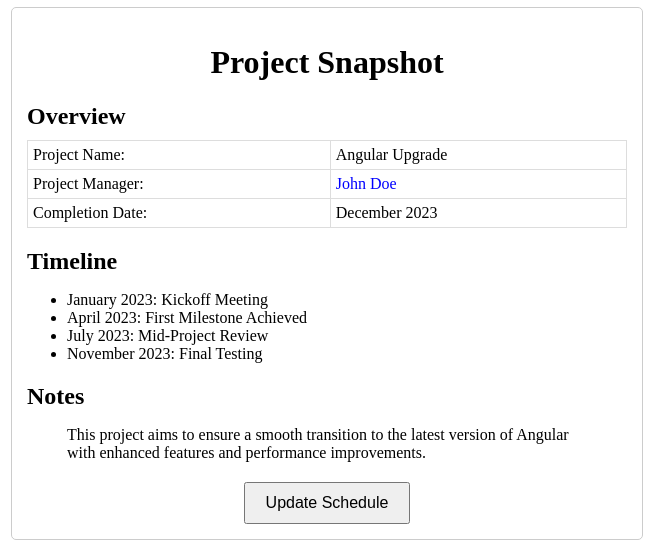
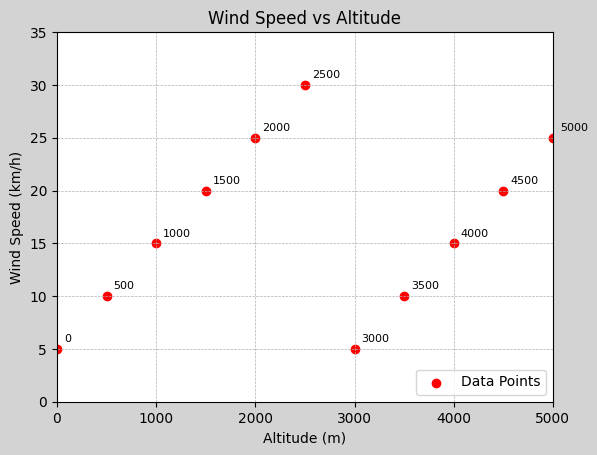
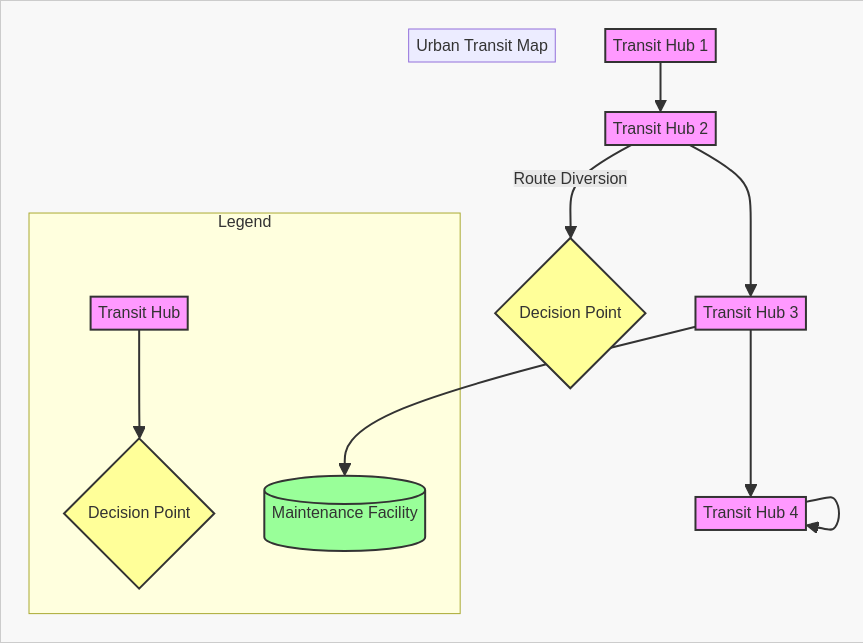
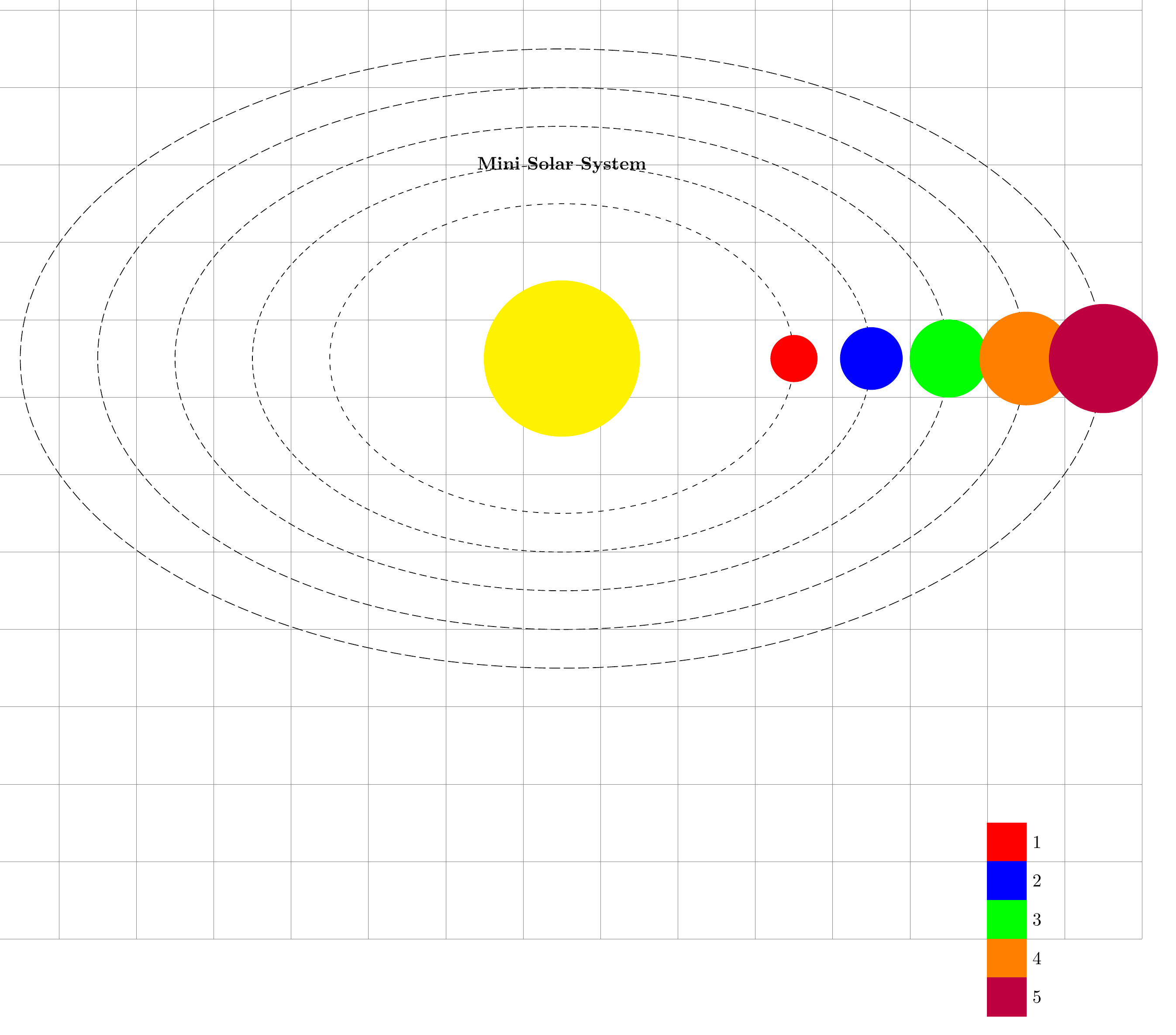
  • Formats: HTML, React, SVG, LaTeX, Mermaid, etc.
  • Tasks: 25 (13 generation, 12 conversion)
  • Examples: 1,085
  • Focus: Visual correctness via VQA evaluation

Example Tasks

📝 StructEval-T Generation Example

Task Prompt:
Please output JSON code.

Task:
Summarize metadata about a fictional
scientific article.

Feature Requirements:
1. Top-level field "title" is a string
2. Field "authors" is a list of exactly two items
3. Each author has "name" and "affiliation"
4. Field "publication.year" is an integer
5. Field "keywords" is a list of strings
Expected Keywords:
  • title
  • authors[0].name
  • authors[1].affiliation
  • publication.year
  • keywords[2]

🎨 StructEval-V Generation Example

Task Prompt:
Please output HTML code.

Task:
Design a webpage for a travel itinerary.

Feature Requirements:
• Centered <h1> with "Trip Summary"
• Use a <table> with 3 rows and 2 columns
• Apply class "highlight" to second row
• Add <button> labeled "Export PDF"
VQA Evaluation:
  • Q: What text is in the h1 header?
    A: Trip Summary
  • Q: How many rows are in the table?
    A: 3
  • Q: What class is on the second row?
    A: highlight
  • Q: What text is on the button?
    A: Export PDF

Evaluation Framework

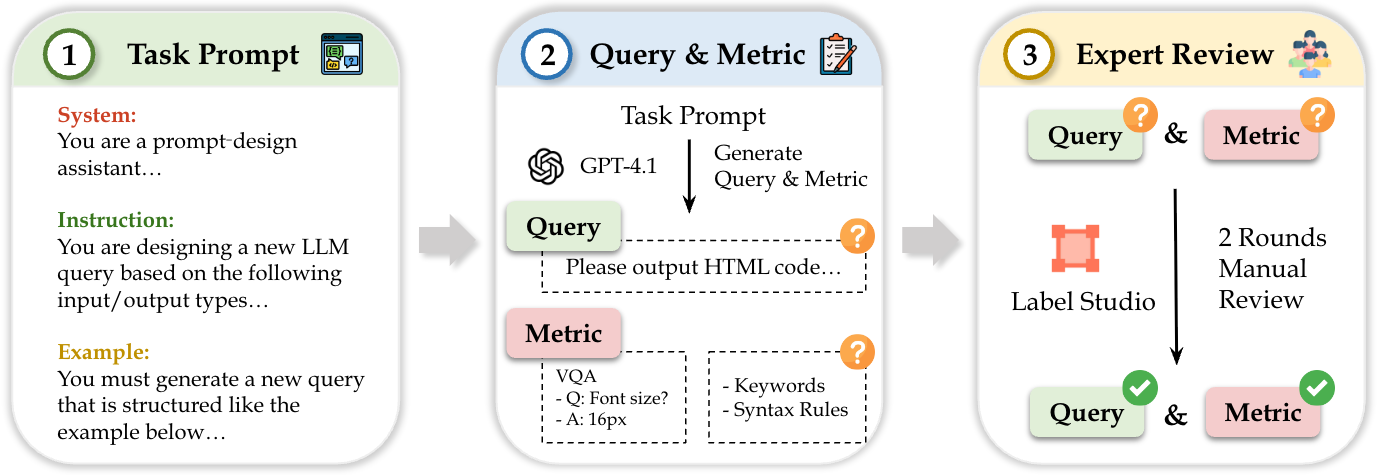
Evaluation Pipeline

Our evaluation framework employs four core metrics:

🔧 Render Score (T/V)

Binary metric (0 or 1) indicating whether the generated code can be successfully loaded or rendered without syntax errors

✓ Syntax Score (T)

Verifies structural correctness (existence of required keys, relationships between keys, etc.) using dot-path rules. Calculated as the percentage of dot-path rules satisfied by the generated output format.

🔍 Keyword Matching (V)

Evaluates presence of desired keywords using exact string matching. Calculated as the percentage of keywords found in the raw generated output code.

👁️ VQA Score (V)

Assesses visual correctness of rendered content through question-answer pairs. Calculated as the percentage of Q&A pairs satisfied by the rendered output.

Score Aggregation Methods

🎨 Renderable Formats

HTML, React, SVG, LaTeX, Mermaid, etc.

Final Score = (0.2 × Render Score) +
             (0.1 × Keyword Matching) +
             (0.7 × VQA Score)
📝 Non-Renderable Formats

JSON, XML, YAML, CSV, TOML

Final Score = (0.2 × Render Score) +
             (0.8 × Syntax Score)

Citation

@misc{yang2025structeval,
  title={StructEval: Benchmarking LLMs' Capabilities to Generate Structural Outputs},
  author={Jialin Yang and Dongfu Jiang and Lipeng He and Sherman Siu and Yuxuan Zhang and Disen Liao and Zhuofeng Li and Huaye Zeng and Yiming Jia and Haozhe Wang and Benjamin Schneider and Chi Ruan and Wentao Ma and Zhiheng Lyu and Yifei Wang and Yi Lu and Quy Duc Do and Ziyan Jiang and Ping Nie and Wenhu Chen},
  year={2025},
  eprint={2505.20139},
  archivePrefix={arXiv},
  primaryClass={cs.SE},
  doi={10.48550/arXiv.2505.20139}
}